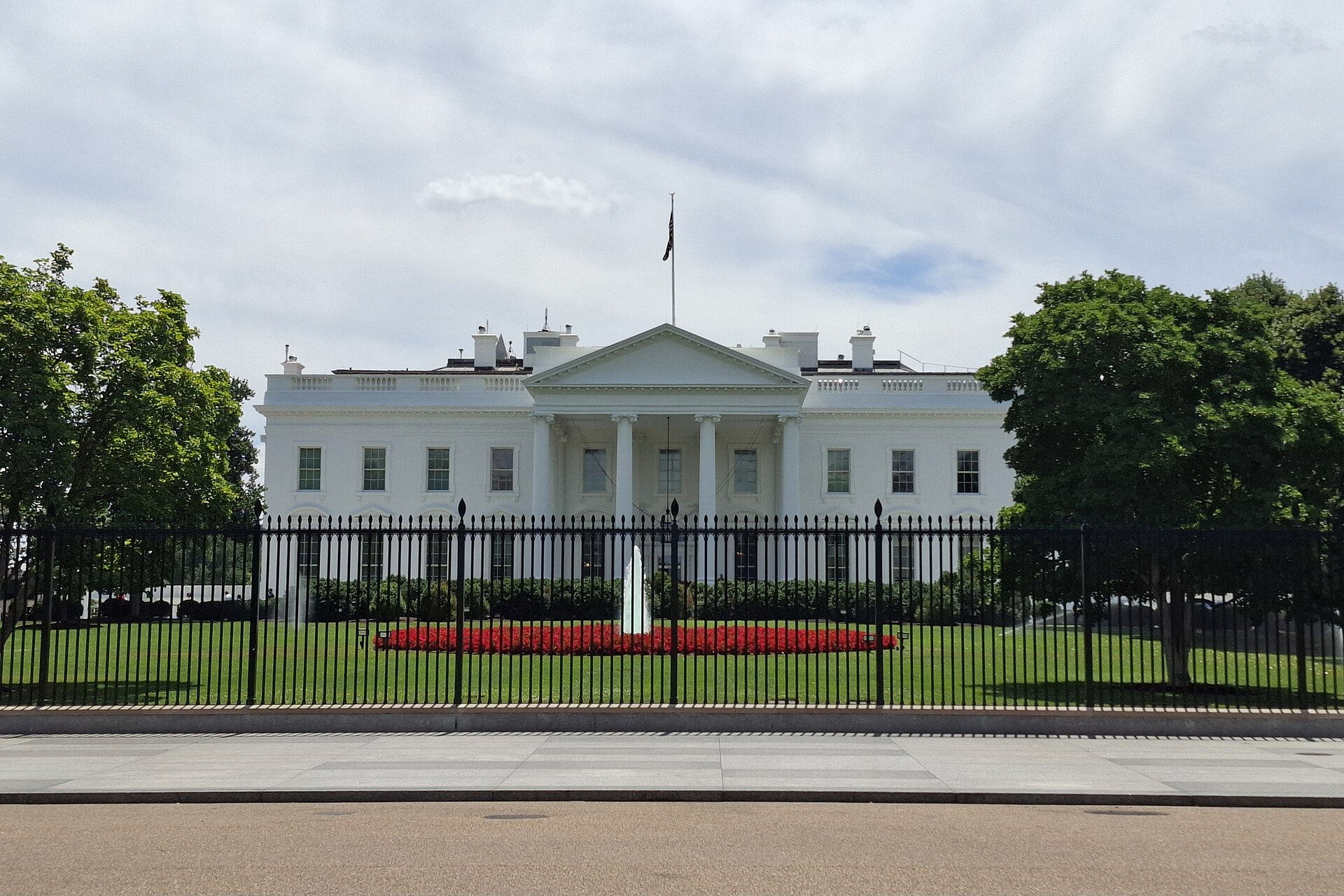


The Democratic victory in the November 3 midterm elections changed the balance of power in Washington. Democrats won control of Congress and will now have more tools to scrutinize Donald Trump’s administration. The result also sent a political signal: a significant share of voters wanted to express opposition to the administration.
The shift extended beyond Washington. In Texas, Gina Hinojosa won the governorship and James Talarico won a U.S. Senate seat. Democrats had not won a statewide contest there since 1994, and no Democrat had won a Texas Senate seat since 1988. Hinojosa will become the state’s first Latina governor. Democrats also flipped the governorships of Georgia, Iowa, Nevada, and Ohio: Georgia had not elected a Democratic governor since before 2000, while Iowa and Ohio had not done so since before 2010. In the Senate, Kansas elected a Democrat for the first time since 1932, and South Carolina ended a streak dating to 1998. Each race had its own campaign and coalition, but the map shows how far the Republican losses reached. [3][4][5]

AP’s voter survey found that about four in ten voters said their vote was meant to express opposition to Trump. Fewer than two in ten said they wanted to support him. The cost of living and concern about democracy also weighed on many voters’ decisions. It is reasonable to read the result as a backlash vote, though not as the only explanation for the Democratic victory. [1]

Voters do not give leaders a blank check. When prices, corruption, or the use of power become everyday concerns, officeholders must answer for their decisions. The election does not resolve those problems on its own, but it changes who can demand answers and impose limits through Congress. [2]
No Sabo Kids: Cultural Presence, Electoral Impact Still Unmeasured
The conversation about No Sabo Kids also deserves attention. The term generally refers to young Latinos raised in the United States who are not fluent in Spanish and who have reclaimed the label on social media as part of a conversation about identity and belonging. [6]
Their presence may help explain how a new generation talks about culture, language, and representation. But there is no measurement that separates their vote from the Latino vote overall or supports a claim that this group swung the election. CIRCLE’s initial data show young Latino voters favoring Democratic candidates, but that figure describes young Latinos as a whole; it does not identify No Sabo Kids as an electoral bloc. [7]

That distinction does not make the conversation less important. It is a reminder that a diverse community does not vote as one, and that parties should listen to young people without turning a cultural label into an easy explanation for an election result.
The Democrats’ Responsibility Starts Now
With control of Congress, Democrats will have both the opportunity and the obligation to conduct oversight, investigate executive decisions, and defend institutional checks and balances. They must also show that they can address the material concerns that shaped the election, including the cost of living and corruption.
The presidential veto and its limits
On November 3, before polls closed, Trump told CBS he was prepared to veto Democratic bills he disliked. [9] That warning shapes the legislative agenda: a bill passed by both chambers still needs the president’s signature to become law. The president can veto it and return it to Congress; overriding the veto requires a two-thirds vote in both the House and the Senate. [10]
Democrats will have to weigh which proposals they can negotiate with the president to secure his signature and which might attract enough support to overcome a veto. Without those votes, a bill cannot become law. A veto does not cancel Congress’s oversight and investigative powers: it can block legislation, but not hearings or scrutiny of executive actions.
On immigration, that requires more than speeches. The party will need to explain what policies it proposes to stop indiscriminate deportations, ensure due process, and end inhumane conditions in detention centers. Defending the dignity of immigrants must translate into concrete measures and a policy that can be held accountable to the public.

Two Years to Earn Voters’ Trust
A legislative victory does not guarantee the presidency. The next presidential election is scheduled for November 7, 2028. [8] Between now and then, Democrats will need to build a broad proposal, show results, and persuade voters who may not share all of their positions.

Voters punished the governing party and gave Democrats more power to provide oversight. Now they must show what that power is for. The test will be turning discontent into answers on the economy, civil liberties, immigration, and the limits of government.
Sources
- Associated Press, AP Voter Poll from the 2026 midterm elections.
- Associated Press, election results and the new balance in Congress, November 4, 2026.
- Associated Press, historic Democratic victories in Texas, November 4, 2026.
- National Conference of State Legislatures, 2026 state election results.
- Roll Call, seven Senate seats that changed parties and their electoral history.
- Zócalo, No Sabo identity and the limits of available electoral data.
- CIRCLE at Tufts University, preliminary data on the youth vote in 2026.
- USAGov, next presidential election scheduled for November 7, 2028.
- CBS News, Trump interview on using the veto, November 3, 2026.
- National Archives, how Congress may override a presidential veto.
The cover shows a James Talarico campaign rally in 2025; it does not document the 2026 election. The other five images are archival photographs; dates, authors, and licenses appear in the captions. The student photo does not specifically depict No Sabo Kids.
Colombian American political scientist and Master of Public Administration (MPA) candidate at Post University in Waterbury, Connecticut. He writes about democracy, human rights, institutions, and public affairs.