
On November 3, the United States will not elect a president. Still, the results could change Donald Trump’s ability to govern during the remaining two years of his term.
Americans will elect all members of the House of Representatives and 35 senators, including two in special elections. The stakes go beyond control of Congress. They also involve the ability of institutions to check a president who has made political confrontation, economic nationalism, and executive authority central to his governing project.
But one dimension deserves closer attention: what happens at the polls in the United States will also have consequences for Mexico, Colombia, Brazil, Venezuela, Cuba, and Latin America as a whole.
In my view, these elections are a test for American democracy and an opportunity to reflect on the relationship our region has historically maintained with Washington.
Changing the balance of power in Congress is one thing; changing how the United States understands its relationship with the rest of the hemisphere is quite another.
Presidential power needs limits, too
Democracy is not only about choosing leaders. Its strength depends on whether those who hold power face institutions capable of overseeing them, questioning them, and, when appropriate, stopping them.
During the first years of his second term, Trump has had Republican majorities in both chambers. That partisan alignment has helped advance much of his agenda and reduced the legislative obstacles facing his administration.
If Democrats regain the House and Senate, the situation would change considerably.
A new majority could step up congressional investigations, demand explanations for executive decisions, attach conditions to certain budget allocations, and exercise greater oversight over presidential appointments that require Senate confirmation.
Still, it would be wrong to present that outcome as the end of Trump’s power.
The president would retain broad constitutional powers, particularly in foreign policy. He would also keep his veto power, while Senate rules would continue to make it difficult to pass many measures.
A Democratic victory in both chambers would not guarantee a change in policy. What it could bring is institutionally valuable: a government required to negotiate, justify its decisions, and face more rigorous oversight.
That distinction matters even to people who do not support the Democratic Party. Democratic checks and balances should not depend on which party occupies the White House.
Latin America: between pressure from Washington and the search for autonomy
Historically, U.S. policy toward Latin America has combined economic cooperation, strategic interests, security concerns, and different forms of diplomatic pressure.
This is not unique to the Republican Party. Democratic administrations have also pursued policies questioned in the region, particularly on migration, economic sanctions, and relations with governments considered adversaries.
The two parties can differ substantially in their methods, priorities, and rhetoric, without necessarily ending the continuity of certain U.S. interests.
That reality calls for avoiding a simplistic reading of the election.
A Democratic majority could press for closer scrutiny of military operations, immigration policies, and certain commercial decisions by the Trump administration. That would not automatically mean a foreign policy more respectful of Latin American autonomy.
Congress can restrict funds, investigate actions, and condition some decisions, but it does not direct U.S. diplomacy on its own.
Latin America needs to understand this distinction so it does not confuse a shift in Washington’s political balance with a transformation of its relationship with the region.
Mexico and Colombia: migration, trade, and security
Mexico would likely remain one of the Latin American countries most exposed to U.S. political decisions.
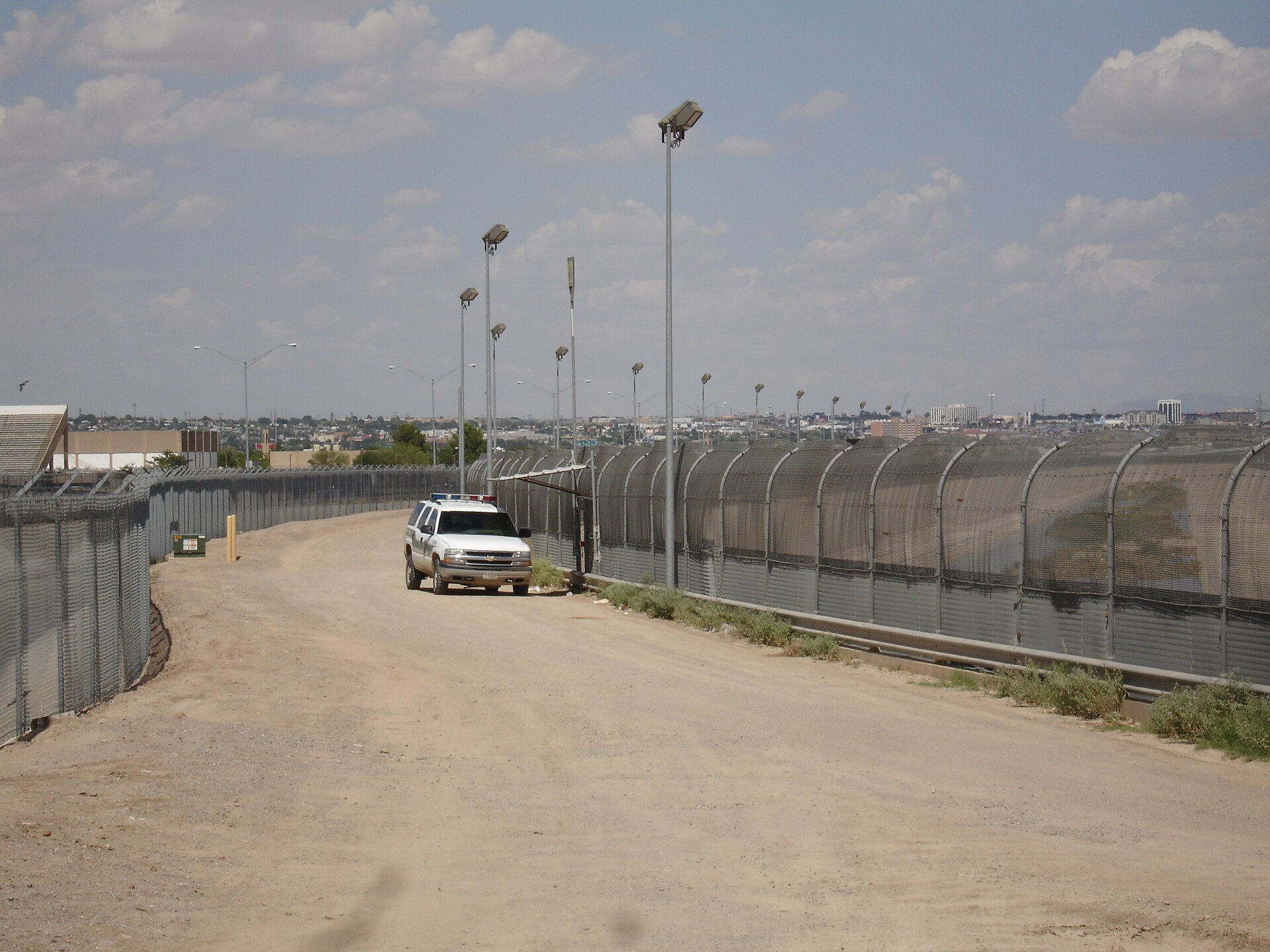
The review of the trade agreement among the United States, Mexico, and Canada, tariff measures, and immigration policy are part of a relationship in which decisions made in Washington have immediate consequences for businesses, workers, and communities on both sides of the border.
A Congress controlled by Democrats could challenge certain tools of commercial pressure and demand greater oversight of immigration operations. Any change, however, would depend on legislative negotiations, presidential powers, and court decisions.
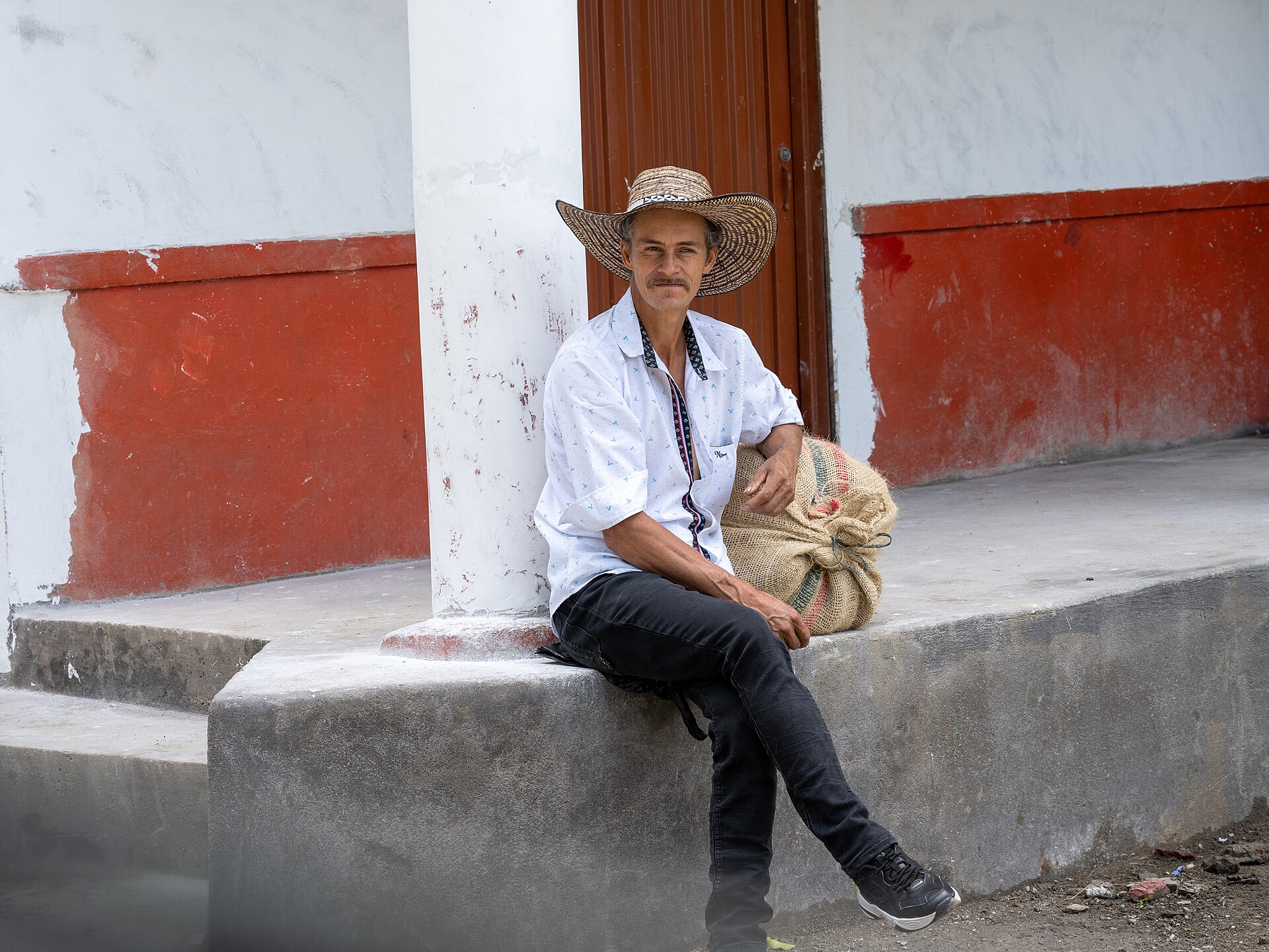
For Colombia, the consequences would be different, but just as relevant.
Security cooperation, the fight against drug trafficking, international assistance, and human rights protections could receive different levels of congressional scrutiny.
The bilateral relationship should not be assessed almost exclusively through security indicators and the results of anti-drug efforts.
Colombia’s stability also depends on rural development, reducing inequality, stronger institutions, and economic opportunities for historically excluded communities.
A U.S. policy that ignores these dimensions risks repeating costly strategies whose social results remain open to debate.
Brazil, Venezuela, and Cuba: the challenge of a less ideological diplomacy
Brazil represents a different dimension of hemispheric relations.

Its economic weight, participation in BRICS, and capacity to engage internationally show that Latin America is not a homogeneous bloc subordinated to U.S. priorities.
A Congress divided from the White House could create room for broader debates on trade, the energy transition, and environmental cooperation. It would be premature, however, to claim that a Democratic majority would transform relations with Brazil.
In Venezuela and Cuba, expectations should be even more cautious.
Sanctions, economic restrictions, and diplomatic disputes have persisted under U.S. administrations from both parties. A change in congressional majorities does not necessarily mean they will be lifted.
There is a principle that should apply without exception: human rights and democratic freedoms should be demanded with equal rigor, regardless of the ideology of the government that violates them.
Criticizing Washington’s coercive policies does not require defending restrictions on freedoms in Havana or Caracas. Likewise, challenging authoritarianism in certain Latin American governments should not become an automatic license to promote measures that worsen people’s living conditions.
A diplomacy truly committed to democracy must be able to hold both positions.
The central contradiction: defending democracy at home and respecting it abroad
There is a contradiction I believe needs discussion.
The United States often presents itself internationally as a defender of democratic institutions, yet its foreign policy has also responded to geopolitical interests that do not always align with the principles it proclaims.
This does not mean denying the value of its constitutional system or the contributions its institutions have made to contemporary democracy.
It means recognizing that no power should be exempt from the scrutiny it demands of others.
If Democrats regain Congress, they will have an opportunity to show that their defense of democracy goes beyond confronting Trump.
It should also be reflected in a foreign policy able to listen to Latin America as a political and economic interlocutor, not merely as a setting for disputes over migration, trade, or security.
That would be a deeper transformation than any change in the congressional majority.
Latino voters also have a say
Another factor should not be overlooked: the millions of U.S. citizens of Latin American descent who will take part in these elections.
For too long, political debate has treated Latino voters as if they were a uniform community concerned exclusively with immigration.
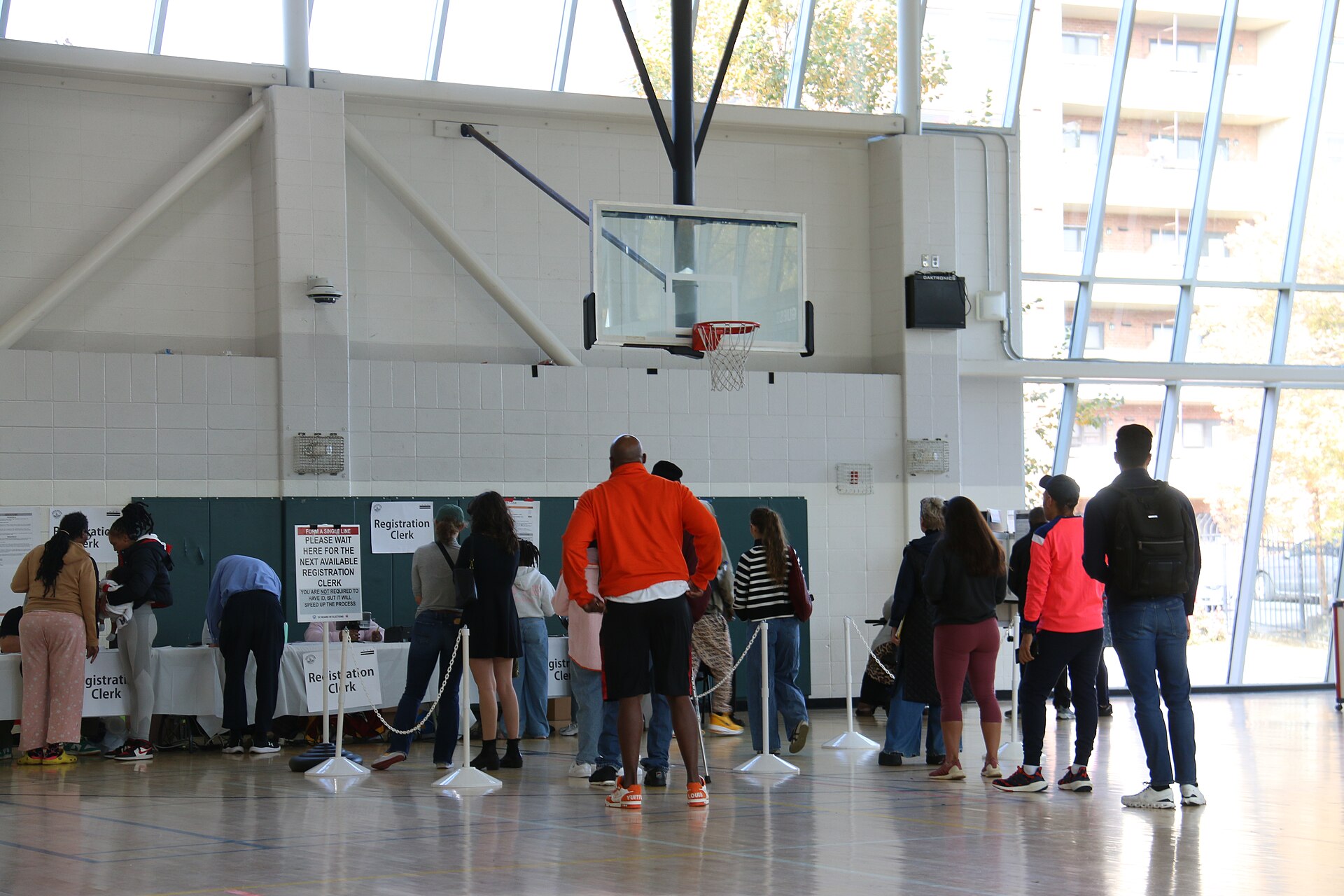
The reality is far more complex.
Latino communities have different social backgrounds, generations, economic priorities, and ideological views. Their concerns include housing costs, wages, health, education, public safety, and opportunities for upward mobility.
Their growing participation requires both parties to understand that political representation cannot be reduced to identity-based rhetoric or campaign promises.
Latino voters do not owe their support to a party because of their heritage. They are citizens with interests, convictions, and the ability to assess their elected officials’ performance.
That is precisely where the democratic value of their participation lies.
Latin America cannot keep waiting for Washington to decide its future
Perhaps this is the most necessary reflection.
Latin America has spent too much time interpreting its political landscape through the question of who governs the United States.
When a Republican wins, some governments anticipate confrontation. When a Democrat wins, others expect a more favorable relationship.
But regional development cannot depend permanently on those changes.
The region needs to strengthen economic integration, diversify trade relations, invest in education and technology, consolidate its institutions, and build cooperation mechanisms that can outlast ideological differences among governments.
This is not about adopting an anti-American stance. The United States will remain an economic, political, and strategic partner of enormous importance.
It is about building a more balanced relationship in which cooperation does not mean subordination and autonomy is not confused with isolation.
The challenge for the region is to show that social justice, democracy, economic sustainability, and respect for freedoms can be part of the same project.
That means rejecting both the excesses of concentrated power in Washington and authoritarian practices that some defend when they come from ideologically aligned governments.
Democracy cannot be defended selectively.
November 3 may change Washington. Will it also change Latin America?
If Republicans lose both chambers, Donald Trump will face a Congress with stronger incentives and tools to oversee his administration.
If they retain control, the president will keep more favorable legislative conditions for advancing his agenda.
If control of Congress is split, the United States could enter a period of difficult negotiations, investigations, and budget confrontations.
In any of these scenarios, Latin America will feel the consequences, although their scale and direction remain uncertain.
But the region’s real challenge should not be waiting for a Democratic or Republican victory.
It should be to build democracies strong enough, economies diverse enough, and institutions independent enough that our future does not depend on every electoral shift in Washington.
On November 3, Americans will decide who controls their Congress.
The question Latin Americans must answer is when we will begin to exercise greater autonomy and responsibility over our own future.
Sources
- USAGov, “Congressional and midterm elections”: midterm elections and the seats at stake in the House and Senate.
- U.S. Postal Service, Postal Bulletin: November 3, 2026 general election and the 35 Senate seats at stake.
- Associated Press, “What to expect in Maine on Election Day,” October 29, 2026: current party composition of the Senate and House.
- Congressional Research Service, “Election Day: Frequently Asked Questions”: date of the next federal elections.
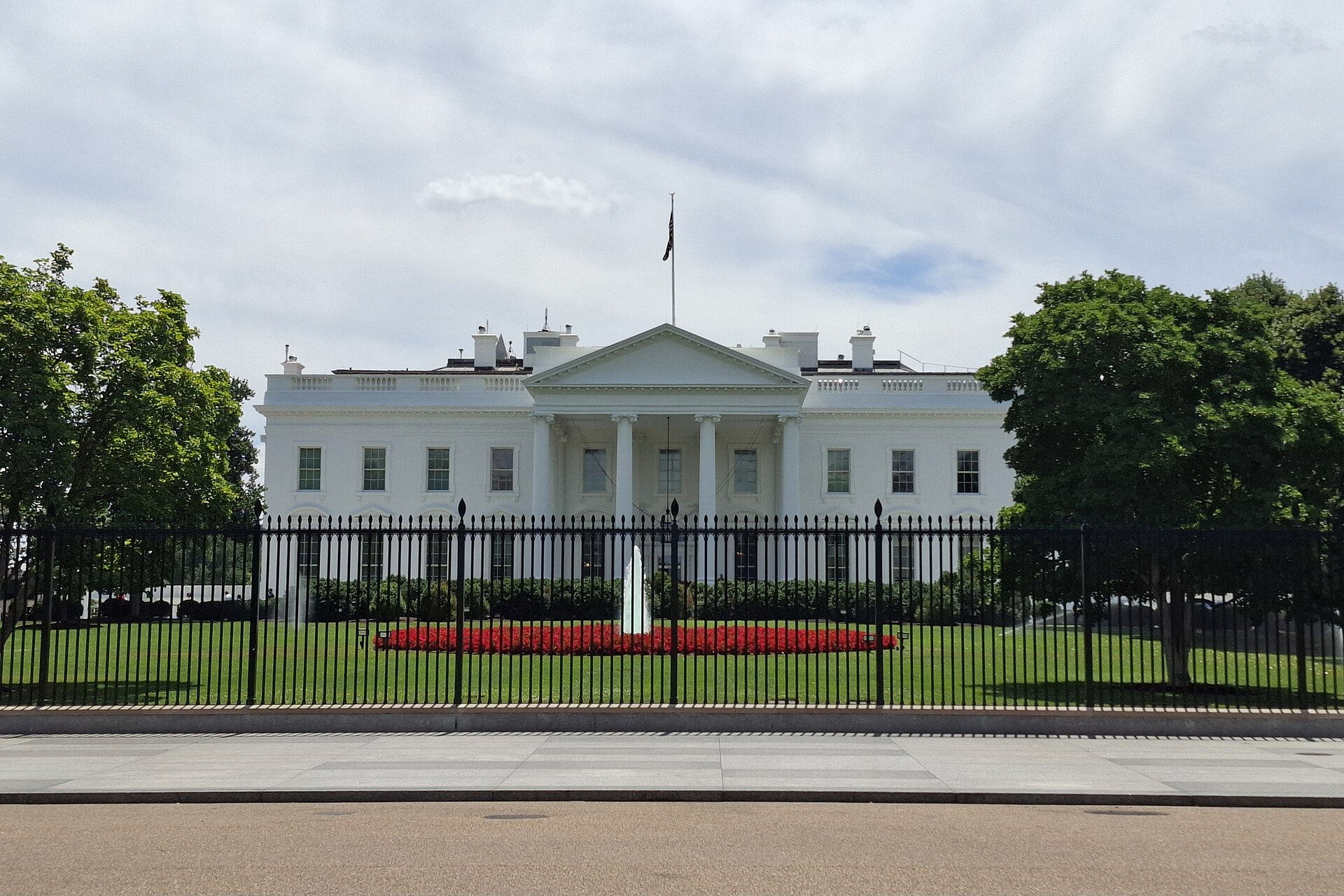
- White House north side, Washington, D.C., June 27, 2024. Photo: VynedJ, CC BY 4.0; resized for web. Source; license.
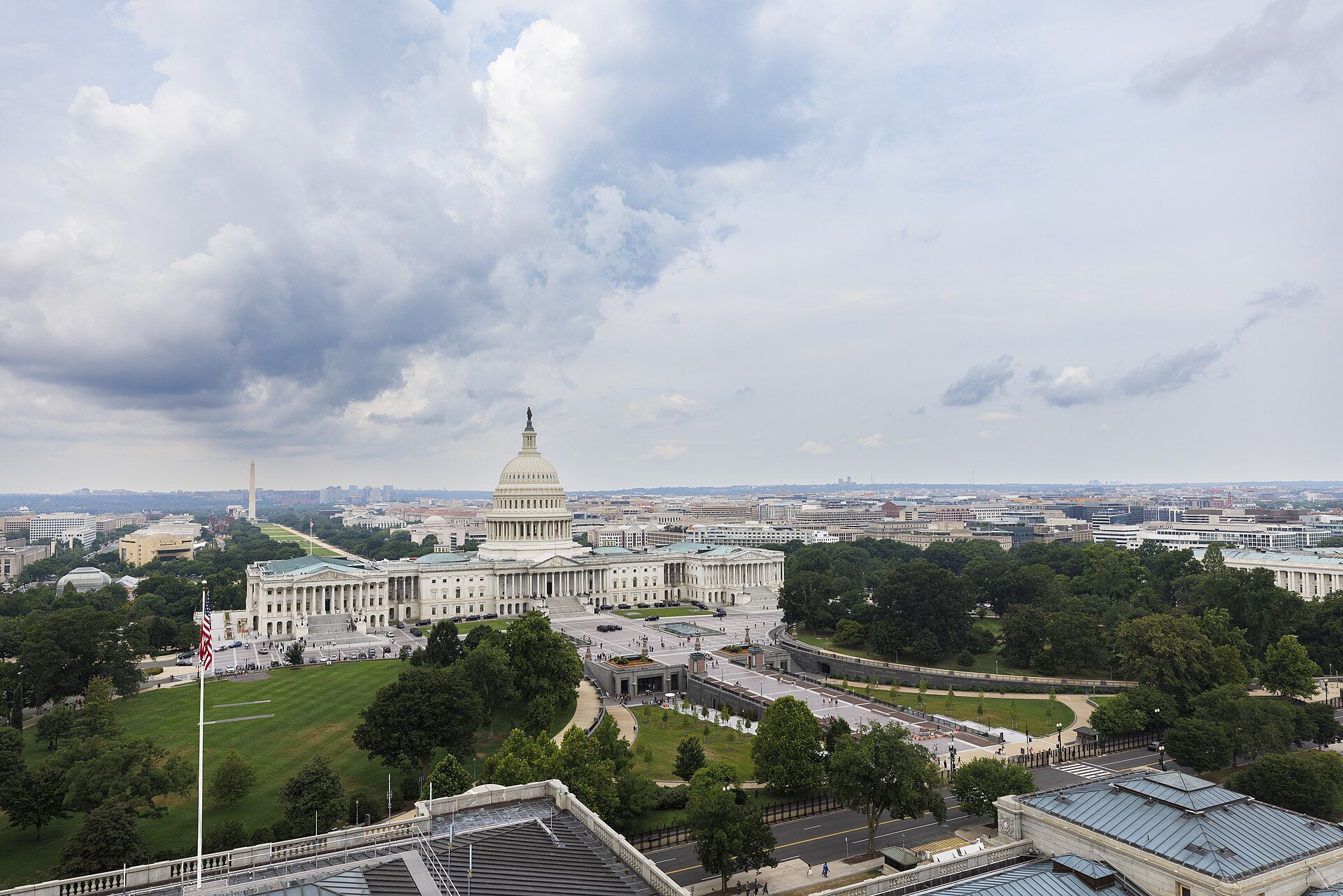
- U.S. Capitol, July 25, 2024. Photo: Shawn Miller / Library of Congress Life, CC0. Source; CC0.
- Border fence near El Paso, 2006. Photo: Office of Representative Phil Gingrey; public domain. Image source.
- Coffee farmer in Colombia, March 26, 2022. Photo: Hernan Vanegas, CC BY-SA 4.0; resized for web. Source; license.
- Aerial view of the Amazon near Manaus, April 19, 2011. Photo: CIAT / Neil Palmer, CC BY-SA 2.0; resized for web. Source; license.
- Voters in Washington, D.C., November 5, 2024. Photo: OSCE Parliamentary Assembly, CC BY-SA 2.0; resized for web. Source; license.
Colombian American political scientist and Master of Public Administration (MPA) candidate at Post University in Waterbury, Connecticut. He writes about democracy, human rights, institutions, and public affairs.