
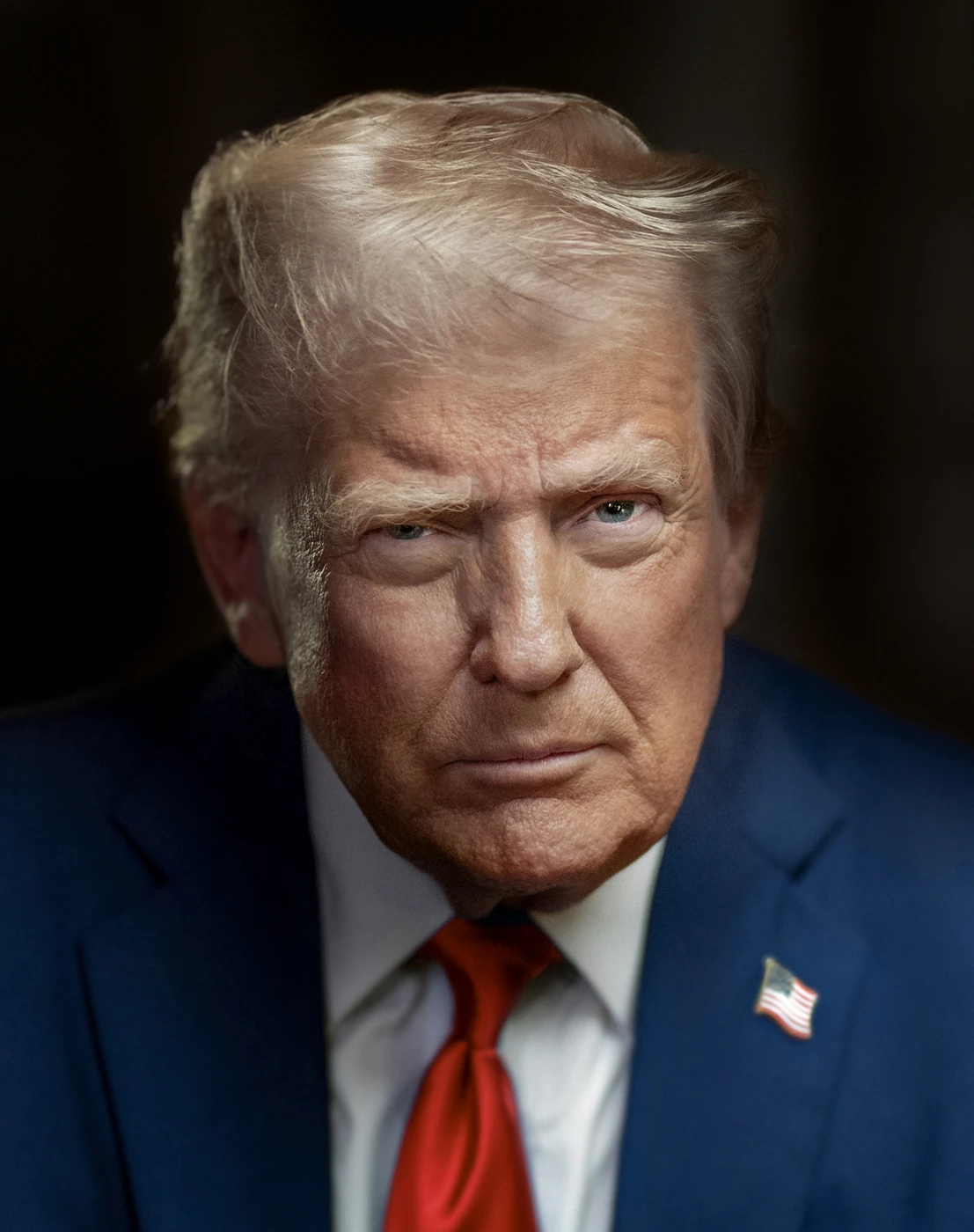
A president must explain how he will protect the public. When his words cast doubt on that commitment, we should examine both what he said and the explanation offered afterward.
At a political rally in Grand Island, Nebraska, on October 5, Donald Trump was discussing the war with Iran and its economic consequences. In that context, he mentioned the possibility of Iran destroying a city and said: “Let ’em take out Los Angeles. Let ’em take out San Diego”. The published clip shows applause and expressions of approval from the audience. [1]
The following day, White House communications director Steven Cheung said the president had not been calling for attacks on American cities. According to his explanation, Trump was discussing how to prevent Iran from acquiring that capability. California Governor Gavin Newsom had interpreted the remarks as an invitation to attack those cities and publicly condemned them. [2]
That difference in interpretation must be explicitly acknowledged. The clip does not turn a confusing statement into proof of a military order, nor does it establish that the president wants Los Angeles or San Diego destroyed. Political criticism loses credibility when it assigns intentions it cannot substantiate.
Acknowledging that limit does not require us to dismiss what happened.
In my view, the problem lies in the distance between the responsibilities of the office and the way they are communicated. If the purpose was to explain that a war prevents attacks on the United States, naming cities in language that can be understood as permission to destroy them undermines that argument. The subsequent clarification deserves to be included; the need to provide it also deserves examination.
Citizens should not have to decipher whether their safety appears in a speech as a government obligation, a military hypothetical, or an electoral provocation. A president has authority, advisers, and the means to speak precisely. That capacity carries a greater responsibility.
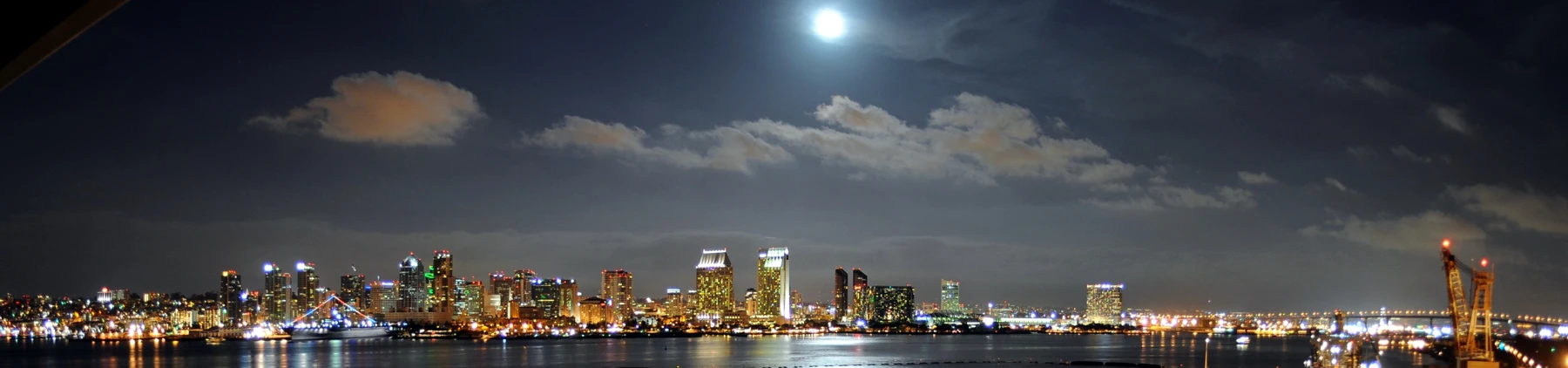
I also believe we must distinguish the applause from a conclusion about everyone present. We do not know what each person understood or why they reacted as they did. It would be irresponsible to claim that the entire audience celebrated the possibility of an attack. What we can discuss is how a partisan rally works when a statement of this kind receives approval without an immediate clarification.
Political loyalty should leave room for questions. Supporting a president does not require defending his every expression; opposing him does not justify editing his words to make them say something that has not been established.
From a democratic perspective, the standard should be the same for any leader: explain decisions about war, justify their costs, and speak clearly about protecting people. Residents of Los Angeles and San Diego have that right regardless of their electoral preferences.
My criticism does not require an assumption about Trump's secret intentions. It rests on a public demand that can be assessed: the president should explain unambiguously what threat he is describing, what he intends to prevent, and how he will protect the population. A city's safety deserves an explanation that can be understood without relying on a spokesperson's subsequent defense.
Sources
Reporting and the published clip support the factual account. The remaining argument expresses the author's political interpretation.